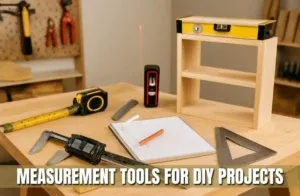
Measurements are part of daily life, even when people rarely think about them. A useful place like dimensionspath.com can help readers understand measurement units, dimensions, conversions, and the practical details that often cause confusion.
Why Measurements Matter Daily
People use measurements in more situations than they might notice. Buying furniture, checking room sizes, preparing building plans, choosing clothes, and comparing product specifications all involve measurements. Even simple shopping decisions can become difficult when the numbers are unclear. A table might look suitable in a photograph, but its actual dimensions could make it too large for the available space.
Measurements provide a common way to describe size, distance, weight, volume, and other physical quantities. Without them, people would depend mostly on guesses and rough comparisons. That might work for a few everyday situations, but it creates problems when accuracy becomes important. Imagine ordering a cupboard without checking its height or measuring the available wall space. The delivery might arrive, but the cupboard could fail to fit properly.
Understanding measurements does not require advanced mathematical knowledge. Most everyday measurement tasks involve a few basic units and simple calculations. The important part is knowing which unit applies to the situation and how to read the result correctly. A little attention before making a measurement can prevent unnecessary spending, wasted materials, and avoidable mistakes.
Understanding Common Measurement Units
Different measurement units describe different physical quantities. Length is commonly measured using millimetres, centimetres, metres, and kilometres. Weight or mass may be described using grams and kilograms, while liquids are often measured in millilitres and litres. Temperature is usually recorded using Celsius or Fahrenheit, depending on the country and purpose.
Each unit has a particular place in practical use. Millimetres are useful when describing small objects, narrow gaps, or detailed product dimensions. Centimetres work well for measuring furniture, clothing, and household items. Metres are more convenient for room dimensions, building layouts, and larger distances around a property.
Kilometres are generally used for longer travel distances and geographical measurements. A person checking the distance between two towns will usually find kilometres easier to understand than metres. These units are connected through fixed conversion relationships, which makes switching between them straightforward once the basic values are familiar.
Weight measurements follow a similar pattern. Small packages may be described in grams, while heavier items are generally listed in kilograms. A product weighing 750 grams can also be described as 0.75 kilograms. Understanding this relationship helps people compare products without getting confused by different labels.
Choosing The Correct Unit
Selecting the right unit is an important part of accurate measurement. A number without its unit does not always provide enough information. For example, writing that a room measures 5 by 4 does not explain whether those figures represent metres, feet, or another unit. The same numbers can describe completely different spaces depending on the units used.
People should consider the size and purpose of the object before choosing a unit. Measuring a mobile phone with kilometres would make no practical sense. Similarly, describing the distance between cities in millimetres would create unnecessarily large numbers. A suitable unit keeps the result understandable and makes comparisons easier.
Product descriptions also deserve attention because manufacturers may use different measurement systems. One online listing might show a television width in centimetres, while another uses inches. Comparing those values directly can lead to incorrect assumptions. Converting both measurements into the same unit gives a clearer picture of the actual difference.
There is no need to memorize every possible conversion before beginning. Learning the units used most often is a more practical approach. People can gradually become familiar with less common units whenever a particular project or purchase requires them. The main objective is to avoid mixing unrelated units during calculations.
Metric And Imperial Systems
The metric system is widely used across many countries and provides a decimal-based approach to measurement. Its common length units include millimetres, centimetres, metres, and kilometres. Moving between these units usually involves multiplying or dividing by powers of ten. This makes many metric conversions easier to perform without complicated calculations.
The imperial system uses units such as inches, feet, yards, and miles. These units are still common in several everyday settings, especially in the United States. Some industries and product categories also continue using inches and feet because their specifications are traditionally presented that way.
A foot contains 12 inches, while a yard contains three feet. One mile contains 1,760 yards, which is another conversion worth recognizing. These relationships are different from the decimal structure used by metric measurements. Therefore, converting imperial values sometimes requires more attention than moving between metric units.
People working with international product information may encounter both systems regularly. A furniture specification could provide dimensions in inches, while the room measurements are recorded in metres. In such situations, converting the values before comparing them is essential. Otherwise, a person might underestimate the space required for a particular item.
Measuring Length And Distance
Length measurements describe how long, wide, tall, or deep an object happens to be. They are used in construction, clothing, furniture planning, manufacturing, and many household activities. A measuring tape is one of the most familiar tools for checking these dimensions. Rulers are useful for smaller objects, especially when greater detail is required.
Before measuring anything, it helps to identify the exact points that need comparison. When checking the length of a desk, the measurement should run from one outer edge to the opposite outer edge. Measuring only the usable surface could produce a different result from measuring the entire desk.
For room measurements, people should check the wall dimensions carefully. Corners, door frames, built-in shelves, and other fixed features can affect available space. Measuring only the central portion of a room may create problems when arranging larger furniture. It is better to record the relevant dimensions before buying anything.
Distance measurements also appear in travel, road planning, sports, and outdoor activities. Short distances may be recorded in metres, while longer routes are usually described in kilometres. Some countries use miles for road signs and navigation information. Knowing the measurement system helps travelers understand distance information more comfortably.
Getting Accurate Dimensions At Home
Home measurements are useful during furniture purchases, renovation planning, decoration, and storage arrangements. People sometimes depend on visual estimates when choosing household items. Unfortunately, photographs can make objects appear smaller or larger than their actual dimensions. Checking the listed measurements gives a much more dependable understanding.
A room should be measured in more than one direction. Length and width provide the basic floor dimensions, while ceiling height becomes important for tall furniture. Door openings and staircases should also be considered when planning deliveries. An item might fit inside a room but fail to pass through the entrance.
Irregular spaces require additional attention because their shapes are not always rectangular. A room with an angled wall or an unusual corner may need several separate measurements. Dividing the space into smaller sections can make the process easier. The recorded dimensions can then be used to estimate the total usable area.
It is also useful to write measurements down immediately. Depending on memory can lead to confusion when several rooms or products are being compared. Adding a short label beside every measurement helps identify what each number represents. A simple notebook or digital note can be enough for most household projects.
Understanding Area And Surface Size
Area describes the amount of surface covered by a two-dimensional shape. It is commonly used when measuring floors, walls, land, carpets, tiles, and other flat surfaces. Square metres and square feet are among the units people encounter most often. The correct unit depends on the measurement system being used.
For a rectangular surface, area is calculated by multiplying length by width. If a floor measures four metres in length and three metres in width, its area equals twelve square metres. This calculation provides a useful estimate of the surface that needs covering. However, unusual room shapes may require separate calculations for individual sections.
Area measurements are particularly helpful when buying flooring materials. People can estimate how much coverage a product provides before making a purchase. It is also sensible to account for cutting, fitting, and possible material waste. The required extra amount depends on the material and installation method.
Wall painting projects use area measurements as well. The total wall surface can help estimate paint requirements, although windows and doors may reduce the area needing coverage. Manufacturers usually provide coverage information on their product labels. Checking those details prevents people from relying entirely on rough guesses.
Volume Measurements Explained Simply
Volume describes the amount of three-dimensional space occupied by an object or container. It is useful when measuring liquids, storage capacity, packaging, and construction materials. Common units include cubic centimetres, cubic metres, millilitres, and litres. Each unit serves different purposes depending on the size and type of measurement.
A rectangular box can have its volume calculated by multiplying length, width, and height. This gives the amount of three-dimensional space inside the measured dimensions. For example, a storage container measuring 40 centimetres long, 30 centimetres wide, and 20 centimetres high has a volume of 24,000 cubic centimetres.
Liquid measurements are generally easier to understand through litres and millilitres. One litre contains 1,000 millilitres, which makes conversion relatively simple. Beverage containers, cleaning products, cooking ingredients, and household liquids commonly use these units. Reading the label carefully helps people compare container sizes accurately.
It is important to remember that volume and capacity are related but not always described in exactly the same way. Volume refers to the space occupied by a three-dimensional object, while capacity usually describes how much a container can hold. This difference becomes useful when comparing containers and their internal storage space.
Weight And Mass Measurements
Weight and mass are often treated as interchangeable terms in everyday conversation. However, they describe different physical concepts in science. Mass refers to the amount of matter in an object, while weight describes the gravitational force acting on that mass. Everyday product labels commonly use grams and kilograms for these measurements.
Small food packages may show their mass in grams. Larger household products, luggage, and bulk materials are commonly described in kilograms. One kilogram equals 1,000 grams, so converting between these units is relatively straightforward. People can use this relationship when comparing package sizes or checking product information.
Digital weighing scales are useful for checking many everyday measurements. Kitchen scales can measure ingredients, while larger scales are designed for luggage or other heavy objects. The scale should be placed on a stable surface before taking a reading. An uneven surface may affect the displayed result.
It is also important to check the unit displayed by a digital scale. Some devices can switch between grams, kilograms, ounces, and pounds. A reading may look unfamiliar when the selected unit changes unexpectedly. Checking the display before recording the result helps prevent mistakes.
Temperature And Everyday Readings
Temperature measurements describe how hot or cold something is. Celsius and Fahrenheit are two common temperature scales used around the world. Celsius is widely used in everyday weather reports and scientific work, while Fahrenheit remains common in the United States. Both scales describe temperature, but their numerical values differ.
Water freezes at zero degrees Celsius under standard atmospheric conditions. It freezes at 32 degrees Fahrenheit under the same conditions. Water boils at approximately 100 degrees Celsius, which corresponds to 212 degrees Fahrenheit at standard atmospheric pressure. These reference points help people understand how the two scales relate.
Temperature measurements are useful in cooking, weather monitoring, storage, and household safety. A refrigerator thermometer can help check whether food storage conditions remain suitable. Weather forecasts also provide temperature information that helps people choose appropriate clothing. In each situation, the displayed unit should be understood before interpreting the number.
Digital thermometers are common because they provide quick readings. Their accuracy can depend on the device quality, placement, and instructions provided by the manufacturer. Users should follow the recommended method rather than assuming every thermometer works identically. Correct use makes the reading more meaningful.
Using Conversion Calculations Correctly
Measurement conversion means expressing the same quantity using another unit. The physical size or amount does not change during conversion. Only the numerical value and the unit used to describe it become different. This is why unit labels are just as important as the numbers themselves.
Converting metres into centimetres requires multiplying the metre value by 100. A measurement of 2.5 metres therefore equals 250 centimetres. Moving from centimetres into metres requires dividing by 100 instead. Understanding whether to multiply or divide prevents common calculation errors.
Conversions between inches and centimetres are also common. One inch equals exactly 2.54 centimetres, which provides a fixed conversion relationship. A measurement of 10 inches therefore equals 25.4 centimetres. These calculations become useful when comparing international product specifications.
For larger calculations, a calculator can reduce unnecessary mistakes. Online conversion tools are another practical option when several measurements need checking. Still, users should confirm that the correct starting and ending units have been selected. Entering the wrong unit can produce a result that looks reasonable but remains incorrect.
Common Measurement Mistakes
Many measurement problems happen because people rush through the process. A tape measure may not start exactly at zero, or the object may be positioned incorrectly. Small mistakes can become important when several dimensions need to match. Taking an extra moment to check the setup often saves time later.
Another common issue involves confusing different dimensions. Length, width, and height describe separate directions, and their positions can vary depending on the object. Product listings sometimes present these measurements in a different order. Reading the specification carefully is necessary before comparing two products.
Rounding values too early can also reduce accuracy. A measurement might be recorded as 12.48 centimetres, but rounding it immediately to 12 centimetres removes useful detail. The level of precision should match the purpose of the task. Small decorative projects may allow some flexibility, while technical work may require much closer accuracy.
People should also avoid mixing measurement systems without conversion. Comparing a measurement in inches directly with another measurement in centimetres can create misleading conclusions. Converting both values into one common unit solves this problem. Clear notes and careful checking make the entire process more dependable.
Digital Tools For Better Results
Digital tools have made measurement work easier for many people. Smartphone applications can help estimate distances, calculate areas, and convert common units. Some devices use camera-based features to estimate dimensions, although results can vary depending on the phone and surroundings. These tools are convenient, but they should not automatically replace accurate measuring equipment.
Digital measuring devices are also available for professional and household use. Laser distance meters can measure distances across rooms without requiring a long tape measure. Their readings can be useful when working alone or checking larger indoor spaces. Users should still follow the device instructions and understand its accuracy limits.
Spreadsheet applications can help organize multiple measurements. This is especially useful when comparing furniture, recording room dimensions, or planning material requirements. A simple table can include the item name, length, width, height, and unit. Keeping the information organized makes later comparisons much easier.
Conversion websites can save time when working with unfamiliar units. However, users should choose reliable tools and review the result before using it. A conversion calculator cannot correct incorrect information entered at the beginning. Good results still depend on accurate original measurements.
Measurements In Construction Projects
Construction work depends heavily on correct dimensions and clear measurement records. Building materials, room layouts, structural components, and installation spaces must follow suitable specifications. A small error in one measurement can affect several connected parts. This is why careful checking remains important throughout a project.
Builders commonly use metres, millimetres, feet, and inches depending on regional practices. Architectural drawings may contain several different dimensions on the same page. Anyone reading those drawings needs to understand the units before interpreting the figures. Confusing a millimetre measurement with a metre measurement could create a serious problem.
Measurements also help estimate material requirements. Floor tiles, wall panels, timber, and other materials are purchased according to dimensions and coverage. Accurate calculations reduce unnecessary purchases and help prevent shortages during installation. It is still sensible to allow for cutting and fitting requirements.
For important structural or technical work, measurements should be checked by qualified professionals. General conversion knowledge is helpful, but it does not replace professional standards. Building regulations, safety requirements, and approved construction methods must always be considered. Correct dimensions are only one part of a successful project.
Why Consistent Records Help
Keeping consistent measurement records can make everyday projects easier to manage. People often measure several items at different times and later struggle to remember which number belongs where. A clear record avoids this confusion. It also allows measurements to be checked without repeating the entire process.
Every record should include the object name, measured dimension, unit, and date when necessary. For example, a note might describe a bedroom wall as 3.6 metres long. This is more useful than saving the number 3.6 without any explanation. A little extra detail makes the information easier to understand.
When comparing products, recording measurements in the same unit is particularly helpful. A furniture comparison sheet can show height, width, depth, and available space together. This makes differences easier to notice before buying anything. It also reduces the chance of overlooking an important dimension.
Old measurements should be reviewed when circumstances change. A room renovation, new doorway, or replacement appliance may affect previously recorded dimensions. Rather than relying on outdated information, checking the actual space again is safer. Accurate records are useful only when they still describe the current situation.
Making Measurement Skills Stronger
Measurement skills improve through regular practical use. People can begin with simple household objects and gradually work with larger spaces. Checking the length of a book, measuring a table, or comparing container capacities provides useful practice. These activities make units and conversions easier to recognize over time.
It helps to estimate a measurement before using a tool. Someone might guess the width of a desk and then check the actual value with a measuring tape. Comparing the estimate with the recorded result develops a better sense of scale. Repeating this process helps people become more comfortable with everyday dimensions.
Learning a few standard conversion relationships is also worthwhile. Knowing that one metre contains 100 centimetres and one kilogram contains 1,000 grams covers many common situations. People can add more conversions as their work requires them. There is no need to memorize every unit at once.
Accuracy should remain more important than speed when measurements affect purchases or physical work. A quick estimate may be enough for casual planning, but important decisions deserve proper checking. Using the right tool, recording the correct unit, and reviewing the final result can make a noticeable difference.
Final Thoughts On Measurements
Measurements help people describe the physical world with greater clarity. They make it easier to compare products, organize spaces, calculate materials, and understand technical information. Everyday tasks become more manageable when people know how to read dimensions and choose suitable units.
A strong understanding of measurement does not come from complicated formulas alone. It develops through practical experience, careful observation, and regular use of common units. Even simple habits such as writing down dimensions and checking conversion results can prevent avoidable mistakes.
Whether someone is measuring a room, comparing furniture, checking package weight, or planning a home project, the same basic principles remain useful. Take the measurement carefully, identify the correct unit, and check the result before making an important decision. Visit our website to explore more practical measurement information and build confidence with everyday dimensions and conversions.
Read also :-