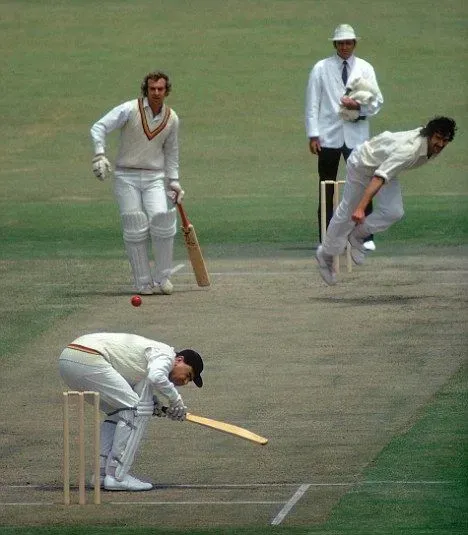
A cricket match can produce a surprising amount of information within several hours. gametracky.com can help readers follow scorecard details when they want more than the final result. Runs, wickets, overs, extras, partnerships, bowling figures, and individual performances all tell different parts of the same match. A scorecard brings these details together in one place, which makes it easier to understand how a team reached its total or why a chase became difficult. People who are new to cricket may find the numbers confusing at first, but the basic structure becomes much clearer after seeing a few matches.
Runs Tell Only Part
The team total is usually the first number people notice after an innings finishes. That figure matters, but it does not explain how the runs were collected or where the innings changed direction. A scorecard shows individual batter scores, allowing readers to see which players contributed most to the total. It also shows balls faced in many formats, which gives additional context about scoring speed. A batter making forty runs from thirty balls has played a different innings from someone making forty from fifty balls. Looking at both runs and balls can provide a better understanding of individual contribution.
Wickets Change The Picture
Wickets can completely change the direction of a cricket innings, especially when they arrive close together. A scorecard records which batters were dismissed and often shows the method of dismissal as well. This information helps explain whether a player was caught, bowled, trapped leg before wicket, or dismissed through another method. The order of wickets can also reveal when a team lost control of its innings. A side losing several wickets quickly may struggle to maintain its scoring rate, even when plenty of overs remain. Readers can understand this better by comparing the fall of wickets with the score at different stages.
Overs Show Match Progress
Overs provide a simple way to understand how much of an innings has already been completed. In limited-overs cricket, teams have a fixed number of overs available, although wickets and other match conditions can affect the situation. A scorecard shows the number of overs completed alongside the current score and wickets lost. This allows readers to judge whether a team is scoring quickly or slowly compared with the time available. For example, a total of one hundred runs can mean different things depending on whether those runs came from fifteen overs or twenty-five overs. Overs therefore give useful context to the raw score.
Bowling Figures Need Context
Bowling figures usually include overs bowled, runs conceded, wickets taken, and sometimes maidens. These numbers help readers understand how individual bowlers performed during an innings. A bowler taking three wickets may have made a major contribution, but the number of runs conceded provides additional context. Someone taking three wickets while giving away many runs has produced a different spell from a bowler taking three wickets for very few runs. Economy rate can also help explain how effectively a bowler controlled scoring. Reading several columns together gives a clearer picture than focusing only on wickets.
Extras Affect Team Totals
Extras are runs awarded without being credited directly to a batter’s personal score. Common examples include wides, no-balls, byes, and leg byes, depending on the playing situation. These runs still count toward the team’s total and can become important in close matches. A team scoring many extras may receive useful runs without its batters hitting the ball successfully. At the same time, excessive wides and no-balls can indicate poor control from the bowling side. Scorecards separate extras from batter runs, allowing readers to understand where the team’s overall total came from.
Partnerships Explain Momentum
Partnerships can reveal periods when two batters successfully built an innings together. A large partnership may stabilize a team after early wickets or accelerate scoring during the middle or later stages. Scorecard information can show which batters were involved and how many runs they added together. This becomes particularly useful when the team total looks strong but the individual scores appear fairly spread out. A partnership can explain that several smaller contributions were connected through one important period of batting. Watching partnership changes during a live match can also help readers understand when momentum moves between teams.
Run Rate Gives Perspective
Run rate is useful because cricket scores should rarely be judged without considering the amount of time used. It is generally calculated by dividing runs scored by overs completed, although different competition rules can create additional calculations. In a chase, the required run rate shows how quickly the batting side needs to score to reach its target within the available overs. Comparing current run rate with required run rate can show whether the chasing team is ahead of its needed pace. This does not guarantee a particular result because wickets, conditions, and player quality can change the situation quickly.
Formats Change Scorecards
Cricket scorecards can look different depending on whether a match is a Test, One Day International, or T20 game. Test matches involve multiple innings for each team and can last several days, creating much larger scorecard records. One-day matches usually involve one innings per team with a fixed overs limit. T20 matches use an even shorter format where each side normally receives twenty overs when conditions allow. Because formats have different structures, readers should understand the match type before interpreting the numbers. A batting score of seventy can have very different significance depending on the format and circumstances.
Details Help After Matches
A final score may tell readers who won, but a detailed scorecard can explain how the result developed. People can compare top scorers, bowling spells, extras, partnerships, and the timing of wickets after the match has ended. This is useful for fans who missed live coverage or want to revisit an important game. Analysts can also use scorecard information as a starting point for deeper statistical work. However, numbers alone do not capture every factor involved in cricket, such as pitch behavior, weather, fielding quality, or pressure during key moments. The scorecard works best as a factual record that supports broader match understanding.
Conclusion
Cricket scorecards turn a complicated match into a collection of readable details that can be examined long after the final ball. Team totals become easier to understand when readers also consider wickets, overs, extras, partnerships, run rates, and bowling figures. Different cricket formats also require different interpretations because the structure and available overs can change significantly. Scorecards do not explain every reason behind a result, but they provide a reliable starting point for understanding individual and team performances. For readers who want to follow match information more closely, gametracky.com can fit naturally into regular cricket scorecard checking and match analysis. Learning the main columns gradually can make cricket statistics much less confusing.
Read also :-