
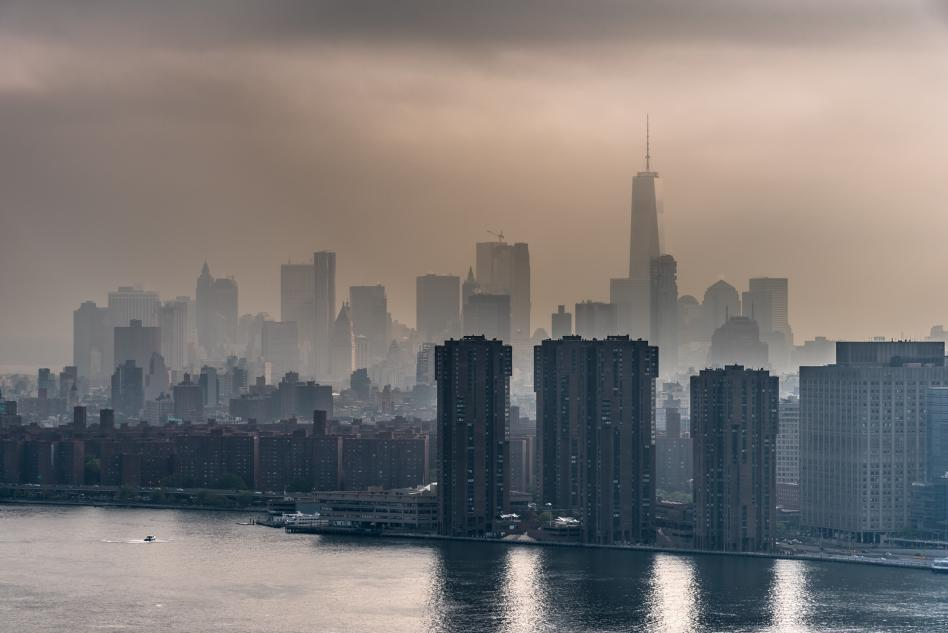
When we think about vehicle pollution, exhaust fumes usually come to mind first. But a huge share of the particulate matter hanging over our cities comes from a less obvious source: dust. Tyres grinding on tarmac, brake wear, and dust kicked up from roads all add fine particles to the air we breathe. Understanding and measuring that dust is the first step to cleaner urban air, and modern monitoring makes it possible.
Where Road Dust Comes From
Every moving vehicle stirs up and creates particulate matter, long before you account for the tailpipe.
● Brake and tyre wear releasing fine particles
● Dust lifted from road surfaces by passing traffic
● Construction and roadwork debris near busy routes
● Re-suspended dust that settles and lifts again repeatedly
Why PM2.5 and PM10 Matter
Road and vehicle dust is a primary contributor to PM10, and the finer fraction known as PM 2.5 is small enough to reach deep into the lungs. According to the World Health Organization, fine particulate matter is among the most harmful pollutants to health because it reaches deep into the lungs. In dense traffic corridors, these levels can climb quickly through the day.
Measuring Dust in Real Time
You can’t manage what you don’t measure. A real time dust monitor placed near roads, sites or sensitive areas tracks PM2.5 and PM10 continuously, so spikes are caught as they happen rather than after the fact. Reliable monitoring equipment turns invisible dust into clear data. If you’re sourcing instruments for this, you can view more on the options available.
Taking Action on Urban Dust
Once you have the data, action follows — from timing roadworks to placing barriers and improving site practices. Authorities around the world publish air quality data that helps cities respond. For organisations wanting to start their own monitoring, you can click here to learn more about the equipment involved.
Frequently Asked Questions
Is road dust really a major air pollution source?
Yes. Road and vehicle dust, including brake and tyre wear and re-suspended particles, is a leading contributor to PM10 and a meaningful source of PM2.5 in urban areas.
What is the difference between PM2.5 and PM10?
PM10 includes particles up to 10 micrometres, while PM2.5 covers finer particles 2.5 micrometres and smaller. PM2.5 is more harmful because it penetrates deeper into the lungs.
How is road dust measured?
A real-time dust monitor or air quality monitor continuously samples the air to report PM2.5 and PM10 levels, providing live data for roads, sites and sensitive locations.


