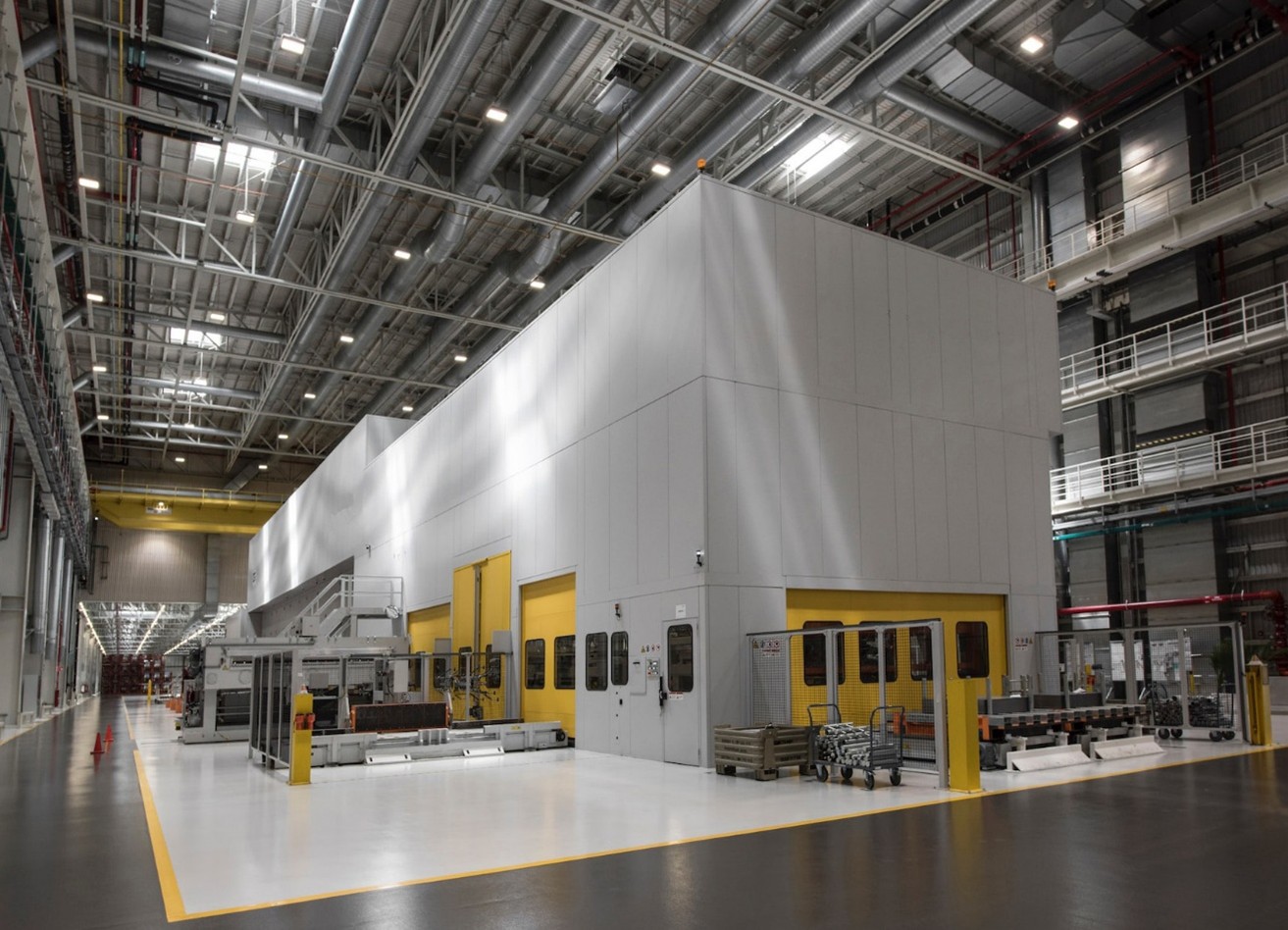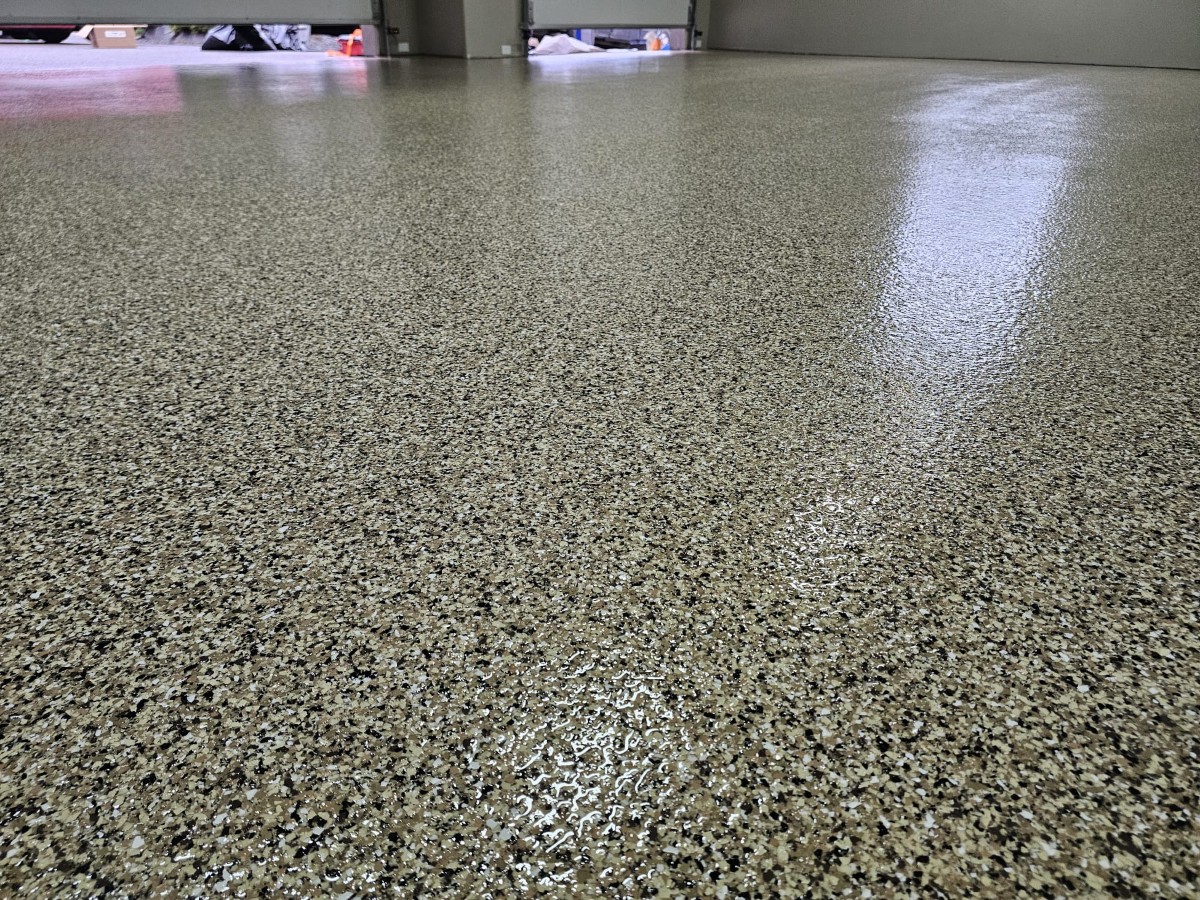
A homeowner comparing epoxy flooring salem options may be focused on a garage, basement, or utility room, while a business may be planning for retail traffic, equipment, carts, or frequent cleaning. Those environments can look similar when both begin with bare concrete, but the flooring specification should reflect how the space is used rather than applying one standard system everywhere.
The most reliable approach is to separate residential and commercial priorities before colors, flakes, or gloss levels are selected. Traffic, contamination, maintenance, downtime, and the condition of the slab can all change what the finished floor needs to do.
Start With the Workload
Residential floors usually experience lighter, less continuous traffic. Garages may still face hot tires, road grit, storage, tools, and occasional automotive fluids, but the pattern of wear is different from a busy commercial floor.
A business considering epoxy floor coating portland options may need to account for customers, rolling carts, shelving, forklifts, chemicals, or daily wash-down routines. These conditions can influence system thickness, texture, topcoat selection, and how much preparation the slab requires before installation.
Inspect the Concrete Before Choosing the Finish
Slab condition matters in both settings. Cracks, pitting, old paint, adhesive residue, sealers, oil contamination, and previous repairs should be identified before the new system is planned.
Mechanical grinding is commonly used to remove weak surface material and create the profile needed for coating adhesion. Once the slab is open, cracks and damaged areas can be repaired more accurately.
A coating should not be expected to hide a weak or poorly prepared substrate. The visible finish depends on the work completed below it.
Use Texture for a Reason
Texture is often discussed as a safety feature, but it also affects cleaning. A garage entrance that becomes wet may benefit from additional traction, while a dry retail floor may need a smoother surface that is easier to mop.
Commercial kitchens, service bays, or processing areas may require more aggressive slip-resistance strategies than a residential basement or hobby room.
The best texture is the one that matches contamination, footwear, cleaning equipment, and how people move through the space.
Plan Color Around Maintenance
Decorative flakes can help disguise ordinary dust and small visual marks, making them useful in garages and some commercial settings. Solid colors create a cleaner, more uniform appearance but may show debris differently.
In customer-facing spaces, color also contributes to the overall design. Flooring should work with walls, displays, lighting, and furniture rather than dominate the room.
Homeowners may prioritize coordination with cabinets or vehicles instead. The same material can therefore serve different visual goals depending on the setting.
Think About Downtime Early
Residential projects are inconvenient when the garage or room is unavailable, but commercial downtime can affect revenue, deliveries, staff, and customer access.
The schedule should include preparation, repairs, coating application, curing, and return-to-service time. Heavy equipment and vehicle traffic may need longer before returning than foot traffic.
Larger commercial spaces may be completed in phases, provided transitions and safe access are planned properly.
Choose the Topcoat Around Exposure
The topcoat is the layer that faces daily wear, so it should be selected according to the environment. UV exposure near open garage doors or storefront glazing can matter, as can abrasion, chemical contact, and cleaning frequency.
A residential garage and a service facility may use related resin technologies but still need different protective finishes.
Product compatibility matters across every layer. Primer, base coat, decorative media, and topcoat should work as one system rather than being selected independently.
Keep Maintenance Realistic
A floor that requires a complicated cleaning routine may not suit the people responsible for maintaining it. Residential users usually need simple sweeping, prompt spill cleanup, and occasional washing.
Commercial properties may use scrubbers, degreasers, or scheduled cleaning crews. The coating should tolerate the intended maintenance method, and staff should know which products are compatible with the finish.
Periodic inspection of high-traffic zones can also help identify wear before it spreads.
Conclusion
Residential and commercial concrete floors can both benefit from resin coatings, but they should not automatically receive the same specification. Traffic, contamination, texture, appearance, downtime, topcoat performance, and maintenance all differ between environments.
By defining the workload before selecting materials, property owners can avoid paying for performance they do not need or choosing a system that is too light for the job. A well-matched floor is one that supports the space as it is actually used, not simply one that looks impressive when first installed.