A farmer near Rugby reviews equipment expenses before the next planting season. A retired homeowner in Carrington examines the property tax bill. Meanwhile, a family in southwestern North Dakota considers the distance to specialized medical care.
These everyday situations highlight how decisions in Bismarck can influence life across rural North Dakota.
With the North Dakota Legislative Election 2026 approaching on November 3, residents have an opportunity to examine issues affecting their communities, including property taxes, healthcare access, agricultural costs, education, and infrastructure.
However, rural communities do not share identical challenges. Agricultural regions in the Red River Valley have different economic circumstances than energy-producing communities in western North Dakota.
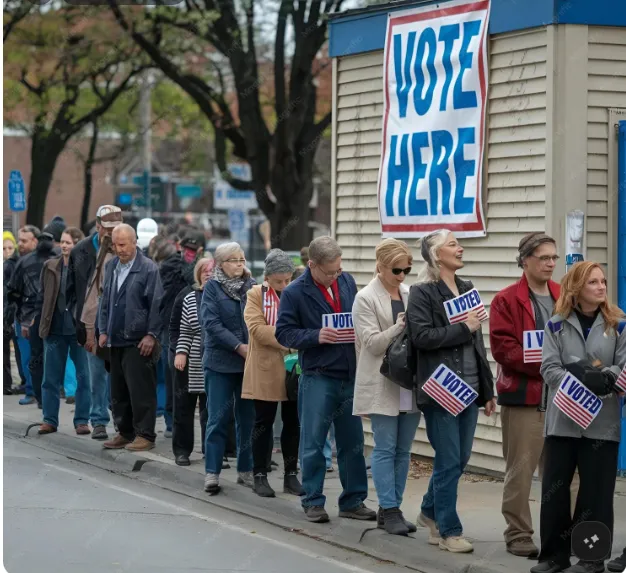
Understanding these differences can help voters evaluate legislative candidates, examine policy proposals, and recognize what state government can realistically accomplish.
North Dakota Legislative Election 2026: What Voters Are Deciding
North Dakota’s Legislative Assembly has 47 districts, each represented by one senator and two representatives.
Lawmakers serve four-year terms, with regularly scheduled elections alternating between odd-numbered and even-numbered districts.
The November 2026 election includes 24 Senate seats and 50 House seats. The House total includes two elections for unexpired terms in Districts 26 and 42.
Successful candidates will participate in legislative decisions involving state spending, taxation, education, transportation, and public services.
Because North Dakota holds regular legislative sessions in odd-numbered years, the lawmakers voters elect in November will have an opportunity to influence the 2027 legislative session.
For rural residents, these decisions can affect both household expenses and the availability of essential community services.
1. Property Tax Relief and Funding for Local Public Services
Property taxes remain an important financial consideration for North Dakota homeowners, agricultural landowners, and businesses.
In 2025, lawmakers passed House Bill 1176, which increased the maximum Primary Residence Credit from $500 to $1,600.
Qualifying homeowners can receive up to $1,600 toward eligible property taxes on their primary residence. The program has no general age or income restrictions, although applicants must meet its other eligibility requirements.
The application period for the 2026 credit ran from January 1 through April 1, 2026.
However, this credit does not eliminate every homeowner’s property tax obligation. It cannot exceed the qualifying property tax amount, and agricultural land follows different taxation rules.
Property taxes also help fund local government operations, schools, and other public services.
For rural communities with smaller tax bases, changes in local revenue can create difficult funding decisions.
Voters can examine how candidates propose to balance property tax relief with dependable funding for essential services.
2. Access to Rural Hospitals, Clinics, and Emergency Medical Services
For residents of smaller communities such as Hettinger, Bottineau, and Bowman, accessing specialized healthcare may require traveling considerable distances.
These trips can create additional challenges for older residents, people with chronic illnesses, and families managing work responsibilities.
Rural healthcare facilities also face financial and staffing pressures.
Recruiting medical professionals, maintaining emergency services, and providing specialized care can become difficult when facilities serve relatively small populations across large geographic areas.
Important healthcare considerations include:
-
Recruitment and retention of rural healthcare professionals.
-
Financial sustainability of hospitals and clinics.
-
Access to emergency medical transportation.
-
Availability of mental healthcare and specialized services.
Telehealth can help patients access certain consultations without traveling. However, it cannot replace emergency treatment, surgery, or other necessary in-person care.
State legislators influence healthcare policies and funding, although federal programs and healthcare providers also play important roles.
Voters should consider whether candidates explain how their proposals address these overlapping responsibilities.
3. Agricultural Operating Costs and State Support for Farming Communities
Agriculture supports employment and business activity throughout North Dakota.
Wheat, durum, soybeans, corn, sugar beets, and livestock contribute to the state’s agricultural economy.
However, agricultural producers must manage expenses involving equipment, fuel, fertilizer, financing, and transportation.
These challenges vary across regions.
A grain producer near Grafton may prioritize crop transportation and operating expenses, while a rancher in southwestern North Dakota may focus on livestock management, grazing conditions, and water availability.
Agricultural profitability also depends on commodity markets, weather, and federal policies.
State lawmakers cannot directly control those factors. They can influence agricultural research, certain tax policies, transportation investments, and state economic development initiatives.
During the North Dakota Legislative Election 2026, voters can examine whether candidates understand regional agricultural differences and offer proposals within the state’s authority.
Agricultural policy also matters to residents who do not farm. Farm-related spending supports equipment dealerships, transportation companies, repair businesses, and other local employers.
4. County Road Maintenance, Bridge Repairs, and Transportation Funding
North Dakota’s extensive road network connects farms, schools, businesses, and healthcare facilities.
Agricultural transportation places substantial demands on rural roads, particularly during planting and harvest periods.
Winter conditions and seasonal temperature changes also contribute to infrastructure maintenance needs.
A deteriorating county bridge can affect school transportation, emergency response, and commercial deliveries.
These challenges become particularly significant in sparsely populated counties that maintain extensive road networks with limited local revenue.
Transportation responsibilities also differ by jurisdiction.
The state manages state highways, while counties and other local authorities maintain roads under their respective responsibilities.
Legislative decisions can influence transportation funding and financial support for local infrastructure.
For rural voters, an important consideration is whether candidates recognize the different maintenance and funding needs of state highways, county roads, and local bridges.
5. Rural School Funding, Teacher Recruitment, and Student Transportation
Schools play an important role in North Dakota’s smaller communities.
Beyond education, they provide employment, support extracurricular activities, and contribute to community life.
However, rural school districts may face challenges involving teacher recruitment, transportation distances, enrollment changes, and operating expenses.
A school district serving students across a large geographic area may incur transportation costs that differ significantly from those of an urban district.
Communities such as Oakes, New Rockford, and Bowman illustrate why statewide education policies must account for different local circumstances.
Legislative decisions influence school funding formulas, educational programs, and state support for public education.
Voters can examine whether candidates address classroom resources, teacher recruitment, career and technical education, and transportation needs.
The discussion should consider not only overall education spending but also how funding reaches districts with different enrollment patterns and geographic conditions.
6. Rural Broadband Access, Housing Availability, and Workforce Development
Reliable internet access and suitable housing can influence economic opportunities in rural North Dakota.
Farmers use digital technologies to support agricultural operations. Students need dependable internet connections, while businesses rely on online communication and financial systems.
Although broadband infrastructure continues to expand, availability and service quality can vary between town centers and remote properties.
Housing availability creates another concern.
A community may offer employment opportunities but struggle to attract workers when suitable housing remains limited.
Teachers, healthcare professionals, and skilled tradespeople need housing options that meet their financial and household requirements.
In western North Dakota, changes in energy-related employment can also influence housing demand.
These challenges involve state policy, local planning, private investment, and workforce development.
Voters can evaluate whether candidates offer realistic approaches that account for these different responsibilities.
7. Evaluating Legislative Candidates and Their Policy Proposals
The North Dakota Legislative Election 2026 gives residents an opportunity to compare candidates’ positions on issues affecting their communities.
However, campaign promises do not always explain how proposed changes would work.
Before making a decision, voters can consider several practical questions:
-
How would proposed property tax changes affect local government funding?
-
What measures could improve access to rural healthcare?
-
How would transportation funding address county infrastructure needs?
-
What support would rural schools receive?
-
Does the candidate explain how proposed programs would receive funding?
Residents can also examine candidates’ public statements, previous legislative records where applicable, and explanations of policy proposals.
Understanding the difference between state, federal, and local government responsibilities can help voters assess whether a proposal falls within a legislator’s authority.
8. 2026 General Election: Voting Requirements and Important Dates
North Dakota’s general election will take place on Tuesday, November 3, 2026.
North Dakota does not require voter registration. However, voters must meet eligibility requirements and provide acceptable identification under state election laws.
Important dates for the 2026 general election include:
-
September 24, 2026: Absentee voting began.
-
November 2, 2026: Deadline to submit an absentee ballot application.
-
November 3, 2026: General Election Day and the deadline for returning completed absentee ballots.
Under North Dakota’s updated 2026 election rules, election officials must receive absentee ballots by the close of polls on November 3. This requirement applies to ballots returned by mail, delivered directly to the county auditor, or deposited in an authorized county drop box.
A postmark does not extend the deadline. Election Day polling locations do not accept absentee ballot returns.
Residents should verify their legislative district, polling location, identification requirements, and available voting options through the North Dakota Secretary of State before Election Day.
What the 2026 Legislative Election Means for Rural North Dakota
The North Dakota Legislative Election 2026 brings attention to issues that affect rural communities in different ways.
For some households, property taxes represent an immediate financial concern. Others may prioritize healthcare access, agricultural sustainability, transportation infrastructure, or educational opportunities.
These challenges rarely have simple solutions, and no single policy can address every community’s circumstances.
Understanding legislative responsibilities, examining candidates’ proposals, and reviewing reliable election information can help residents make informed decisions.
For rural North Dakota, meaningful participation begins with understanding how statewide decisions connect to everyday community needs.