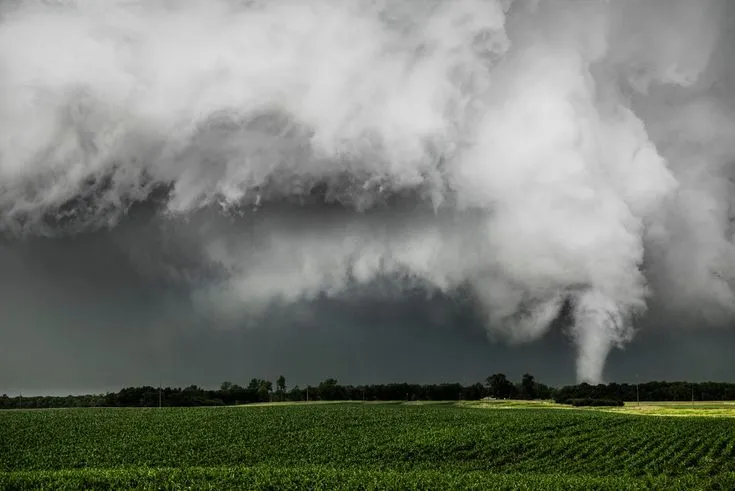
Hail can seem mysterious to anyone who has only experienced it briefly from indoors. Unlike rain, which falls as liquid water, hail begins its journey inside powerful thunderstorms where strong upward-moving air can support the growth of ice. Travelers interested in tornado chasing tours 2027 may hear hail discussed during forecast analysis because it is one of several hazards associated with severe thunderstorms.
Understanding the basic process behind hail adds another educational layer to a storm-focused trip. It also explains why experienced guides pay close attention to storm structure, precipitation, and positioning rather than treating every part of a thunderstorm as an equally useful place from which to observe it.
Hail Starts High Inside a Thunderstorm
The process begins well above the ground, where temperatures inside a thunderstorm are below freezing. Water droplets can exist in this cold environment and freeze when they encounter suitable particles or pieces of ice. Strong updrafts, the rising currents of air within a thunderstorm, can keep these developing hailstones suspended.
While they remain within an environment containing supercooled water, additional liquid can freeze onto them. This allows the pieces of ice to become larger before eventually falling toward the ground.
Strong Updrafts Can Support Larger Hail
Not every thunderstorm produces the same type or size of hail. One important factor is the strength of the storm’s updraft. Stronger rising air can support heavier pieces of ice for longer than weaker upward motion. This gives hailstones more opportunity to grow before gravity eventually overcomes the forces keeping them aloft.
For travelers, this helps explain why discussions about powerful updrafts are relevant to more than the visual appearance of towering clouds.
Hailstones Can Develop in Layers
Some hailstones reveal layers when examined after they have fallen. These layers can form as ice grows under different conditions inside the storm. The result is a surprisingly complex object created through repeated interactions between water, ice, and moving air.
It is an excellent example of how processes occurring far above the ground can eventually produce something tangible at the surface. A storm is not merely a cloud delivering precipitation; it contains an active internal environment.
Hail Is a Hazard, Not a Souvenir Opportunity
People considering Kansas storm chasing tours 2027 should understand that hail can be hazardous. Larger hail can damage vehicles, buildings, crops, and other exposed objects. Travelers should never move into an unsafe location simply to photograph or collect hailstones.
During weather, guide instructions take priority. Observing severe thunderstorms responsibly means respecting all of their hazards rather than focusing only on the most visually dramatic features.
Hail Can Affect Chase Positioning
The distribution of precipitation within a storm is one reason positioning matters. A route that would place a vehicle unnecessarily into an area of significant hail may be less desirable than another option. This illustrates an important distinction between storm chasing and simply driving toward the darkest part of a thunderstorm.
Useful positioning considers the complete storm environment, including precipitation and available roads. Understanding hail makes these route decisions easier for guests to appreciate.
Agricultural Areas Have a Particular Interest in Hail
Across the Great Plains, hail has significance beyond storm enthusiasts. Agriculture can be vulnerable when severe thunderstorms produce damaging hail over crops. This gives travelers another perspective on the weather they are observing.
A storm that looks impressive from a distance can have practical consequences for the communities and agricultural landscapes beneath it. Recognizing this encourages a respectful approach to severe-weather travel and reminds visitors that these are working landscapes rather than outdoor stages created for storm observation.
Photography Works Best From a Sensible Position
Hail itself does not need to be photographed up close to tell part of the storm’s story. Dark precipitation cores, changing cloud structure, or the broader thunderstorm can provide visual context. Photographers can also document the landscape and atmosphere surrounding the storm while remaining in an appropriate location.
A wider approach often produces more meaningful travel photographs because it shows the environment in which the weather is occurring rather than concentrating on one hazardous feature.
Hail Adds to Understanding Storm Complexity
Learning how hail develops reveals just how much is happening inside a thunderstorm beyond what can be seen from the ground. Rising air, freezing water, ice growth, precipitation, and storm movement are all interacting within the same system.
For travelers interested in meteorology, understanding one process often leads naturally to questions about others. Hail can therefore become an accessible starting point for learning more about thunderstorm structure and severe weather.
Conclusion
Hail is one of the clearest examples of the powerful processes taking place inside thunderstorms. Its formation connects freezing temperatures, supercooled water, strong updrafts, precipitation, and the broader organization of a storm. Understanding those basics can help travelers appreciate both the science and the hazards associated with severe weather. On a journey with Storm Chasing Adventure Tours, learning about features such as hail can add valuable context to the storms observed across the Plains while reinforcing the importance of informed and responsible weather observation.