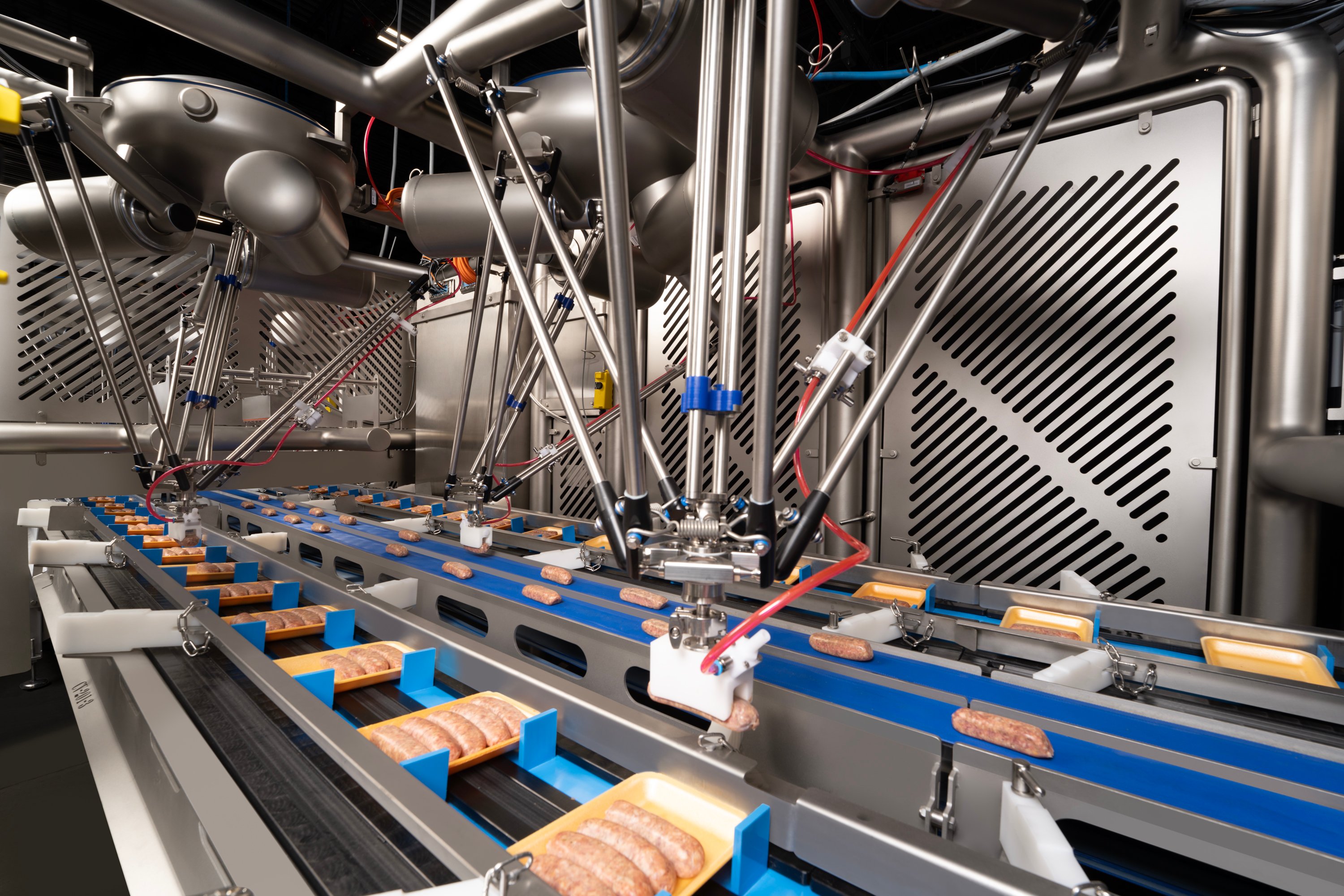
People watch a pick and place robots arm move perfectly in demos. Reality is messier. Parts arrive off-angle, or sticky surfaces slow gripping. Even the best machines hesitate occasionally. Pick and Place Packaging lines feel chaotic until someone notices the rhythm. Operators adjust timing slowly and carefully. It’s never instant, even when machines look “automatic.”
Product variation hides in plain sight
Two identical items rarely behave identically. Weight, shape, and surface texture differ slightly. Pick and place robots rely on sensors, yet tiny differences confuse vision systems. During Pick and Place Packaging, items can bounce, tilt, or slide, forcing minor stops that add up across shifts. Teams often notice these problems only after many cycles have passed.
Gripper choice affects everything downstream
Vacuum, mechanical, or hybrid grippers all work differently. Some handle fragile items gently, while others struggle to hold slippery products. Pick and place robots respond instantly, but tooling mismatch causes dropped items. Even minor wear or residue reduces performance. Pick and Place Packaging lines slow down quietly while operators debate whether the machine or the product is the real problem.
Speed is tempting but risky
Cranking up cycles seems efficient. Pick and place robots accelerate reliably, yet faster movements amplify mistakes. Misalignment grows. Sensors detect errors slightly too late. During Pick and Place Packaging, minor jolts or tilts cascade into jams or misfeeds. Teams often dial back speed gradually, trading throughput for smoother operation, which feels frustrating but necessary.
Integration quietly causes hiccups
Robots don’t exist alone. Conveyors, feeders, and downstream machines all need to synchronize. Pick and place robots pause if upstream timing drifts. Pick and Place Packaging systems then wait, stack, or bump into each other. Engineers adjust delays, sensors, and software repeatedly. The solution works, but it rarely feels seamless or permanent.
Maintenance affects more than anyone admits
Dust, small debris, and mechanical wear accumulate slowly. Pick and place robots lose grip subtly over time. Sensors cloud. Bearings loosen. During Pick and Place Packaging, these small changes increase stops and misfeeds quietly. Teams often notice after repeated issues rather than during routine inspection. Scheduled checks help, though they’re easy to skip under pressure.
Operators matter more than manuals suggest
Two operators can run the same line differently. Patience, observation, and subtle adjustment make a difference. Pick and place robots respond instantly to parameter changes, so restraint is critical. Pick and Place Packaging lines benefit when staff notice rhythm shifts before alarms trigger. Learning that skill takes weeks or months, not hours.
Conclusion
Pick and place robots improve repeatability but still reflect product variability, tooling, and operator habits. Pick and Place Packaging lines work best when expectations stay practical, speed is balanced, and small adjustments happen patiently. Automation reduces labor but does not remove the need for human awareness. When evaluating or optimizing packaging lines, consult an experienced automation professional. Reviewing your products, layout, and workflow carefully ensures practical decisions, smoother operation, and consistent output without unnecessary downtime or frustration.